
Uncategorized
The Importance of Sterilization in Surgical Instrument Manufacturing
Aug
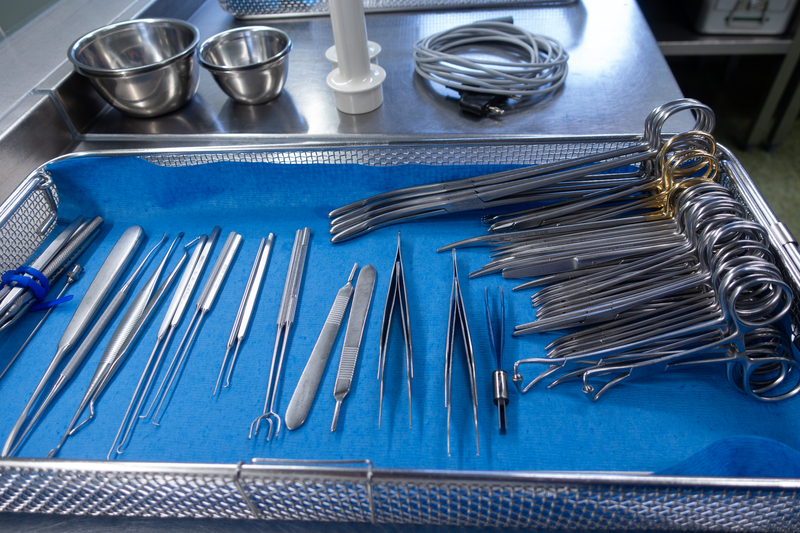
In the realm of healthcare, where precision and safety are paramount, the role of surgical instruments cannot be overstated. These tools are essential in performing procedures that save lives, alleviate suffering, and enhance the quality of life for millions of patients worldwide. However, the effectiveness of even the most advanced surgical instruments hinges on one critical factor: sterilization. At Triple Helix Solutions, we recognize that the safety of patients and the success of surgical procedures depend heavily on the meticulous sterilization processes employed in the manufacturing of surgical instruments.
Understanding Sterilization: A Crucial Step in Manufacturing
Sterilization is the process of eliminating all forms of microbial life, including bacteria, viruses, fungi, and spores, from surgical instruments. This is a crucial step in the manufacturing process because any contamination on a surgical instrument can lead to infections, complications, and even fatalities. Ensuring that each instrument is free from harmful microorganisms is not just a regulatory requirement but a moral obligation for manufacturers like Triple Helix Solutions.
The Role of Sterilization in Patient Safety
Patient safety is the cornerstone of healthcare, and sterilization is one of the key pillars supporting it. When surgical instruments are used on patients, they come into direct contact with tissues, blood, and other bodily fluids. Any microbial contamination on these instruments can introduce pathogens into the patient’s body, leading to infections such as sepsis, which can be life-threatening.
At Triple Helix Solutions, we understand that the trust placed in surgical instruments is immense. Surgeons rely on these tools to perform delicate procedures, and patients trust that the instruments used on them are safe. Sterilization ensures that this trust is well-placed, as it guarantees that the instruments are free from any biological contamination that could compromise patient safety.
Sterilization Methods in Surgical Instrument Manufacturing
Several methods are employed in the sterilization of surgical instruments, each with its advantages and applications. At Triple Helix Solutions, we utilize a range of sterilization techniques, carefully selecting the most appropriate method for each type of instrument to ensure optimal safety and efficacy.
- Steam Sterilization (Autoclaving): Steam sterilization is one of the most widely used methods, particularly for metal instruments. This process involves exposing the instruments to high-pressure steam at temperatures ranging from 121°C to 134°C. The combination of heat and moisture effectively kills microorganisms, ensuring the instruments are safe for use. Autoclaving is favored for its reliability, efficiency, and ability to penetrate even the most complex and delicate instruments.
- Ethylene Oxide (EO) Sterilization: Ethylene oxide is a gas used to sterilize instruments that cannot withstand the high temperatures of steam sterilization. This method is particularly useful for instruments made of plastic or those with electronic components. EO sterilization is highly effective against a wide range of microorganisms, including spores, but it requires careful handling due to the toxicity of the gas.
- Radiation Sterilization: Radiation sterilization uses ionizing radiation, such as gamma rays or electron beams, to destroy microorganisms on surgical instruments. This method is particularly suitable for single-use, pre-packaged instruments. Radiation sterilization is advantageous because it can be performed at lower temperatures, making it ideal for heat-sensitive materials.
- Plasma Sterilization: Plasma sterilization involves the use of hydrogen peroxide plasma to sterilize instruments. This method is effective at low temperatures and is often used for instruments that are heat-sensitive. Plasma sterilization is fast and leaves no toxic residues, making it an environmentally friendly option.
The Importance of Validation and Monitoring
At Triple Helix Solutions, we emphasize the importance of validating and monitoring the sterilization process. Sterilization is not a one-time procedure; it requires continuous oversight to ensure that it is effective and consistent. Validation involves rigorous testing to confirm that the sterilization process is capable of consistently achieving the desired level of microbial reduction.
We employ a variety of methods to validate our sterilization processes, including biological indicators, chemical indicators, and physical monitoring. Biological indicators involve the use of highly resistant spores to test the effectiveness of the sterilization process. If the spores are killed, it indicates that the sterilization process is effective. Chemical indicators change color when exposed to specific sterilization conditions, providing a visual confirmation that the process has occurred. Physical monitoring involves tracking the time, temperature, and pressure during the sterilization cycle to ensure that the parameters are within the required range.
Sterilization in Compliance with Standards and Regulations
The sterilization of surgical instruments is governed by stringent standards and regulations to ensure patient safety. At Triple Helix Solutions, we adhere to these standards to guarantee that our instruments meet the highest levels of safety and quality.
International standards, such as those set by the International Organization for Standardization (ISO), provide guidelines for sterilization processes. ISO 13485, for example, specifies requirements for a quality management system where an organization needs to demonstrate its ability to provide medical devices and related services that consistently meet customer and applicable regulatory requirements. Compliance with these standards is not only a legal requirement but also a mark of our commitment to excellence.
The Future of Sterilization in Surgical Instrument Manufacturing
As technology advances, so too does the field of sterilization. At Triple Helix Solutions, we are constantly exploring new methods and technologies to enhance the sterilization process. Innovations such as low-temperature hydrogen peroxide gas plasma sterilization and advancements in automation are paving the way for even more effective and efficient sterilization processes.
Furthermore, the increasing focus on sustainability in manufacturing is driving the development of sterilization methods that are not only effective but also environmentally friendly. At Triple Helix Solutions, we are committed to adopting these sustainable practices to reduce our environmental impact while maintaining the highest standards of safety and quality.
Conclusion
Sterilization is a critical component of surgical instrument manufacturing, ensuring that the tools used in life-saving procedures are free from harmful microorganisms. At Triple Helix Solutions, we understand the immense responsibility that comes with manufacturing surgical instruments, and we are dedicated to upholding the highest standards of sterilization. Through rigorous validation, compliance with international standards, and a commitment to innovation, we ensure that our instruments are not only effective but also safe for the patients who rely on them.
