
Uncategorized
Materials Science in Surgical Instruments: Enhancing Durability and Performance
Aug
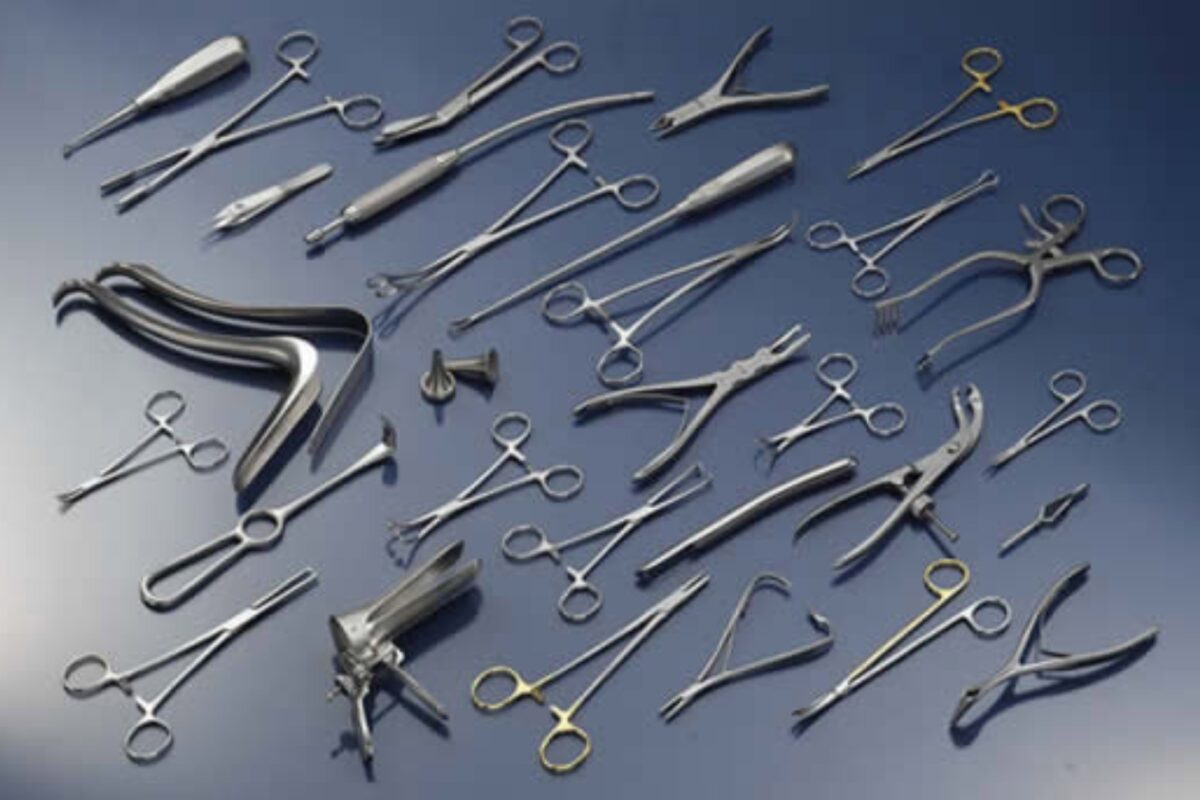
In the rapidly evolving field of surgical instrumentation, materials science plays a pivotal role in ensuring the durability and performance of the tools used by medical professionals. At Triple Helix Solutions, we understand that the selection and engineering of materials for surgical instruments is critical to advancing medical procedures and enhancing patient outcomes. This article delves into the various materials used in the manufacturing of surgical instruments, their properties, and how advancements in materials science contribute to improved durability and performance.
The Importance of Material Selection
Surgical instruments are subjected to rigorous conditions, including exposure to bodily fluids, repetitive mechanical stress, and stringent sterilization processes. Therefore, the materials chosen for these instruments must exhibit exceptional properties such as corrosion resistance, strength, hardness, and biocompatibility. The right material ensures that instruments can withstand repeated use without degrading, thereby maintaining their functionality and precision.
Common Materials Used in Surgical Instruments
- Stainless Steel: Stainless steel is the most widely used material in surgical instruments due to its excellent corrosion resistance, strength, and ease of sterilization. The specific type of stainless steel used often includes high levels of chromium and nickel, which enhance its resistance to rust and staining. A common alloy used is 316L, also known as surgical-grade stainless steel, which offers a balance of durability and workability.
- Titanium: Titanium is renowned for its strength-to-weight ratio, making it ideal for instruments that require both strength and lightness. It is also highly resistant to corrosion and biocompatible, reducing the risk of adverse reactions when used in contact with body tissues. Titanium instruments are often used in specialized fields such as neurosurgery and cardiovascular surgery.
- Cobalt-Chromium Alloys: These alloys provide exceptional wear resistance and hardness, making them suitable for cutting and drilling instruments. Cobalt-chromium alloys are also highly resistant to corrosion and can retain their sharpness and structural integrity over prolonged use.
- Ceramics: Advanced ceramics are increasingly being used in surgical instruments for their hardness and wear resistance. Zirconia and alumina ceramics, for example, are used in applications where precision and longevity are critical. However, ceramics can be brittle, so their use is often limited to specific components rather than entire instruments.
- Polymeric Materials: High-performance polymers like PEEK (polyether ether ketone) are used in certain surgical instruments, particularly where flexibility and non-conductivity are required. Polymers can also be used to coat metallic instruments, enhancing their biocompatibility and reducing friction.
Enhancing Durability Through Surface Treatments and Coatings
To further enhance the durability and performance of surgical instruments, various surface treatments and coatings are employed:
- Passivation: Passivation is a chemical process that removes free iron from the surface of stainless steel, enhancing its corrosion resistance. This process creates a thin, inert oxide layer that protects the instrument from rust and contamination.
- PVD Coatings: Physical Vapor Deposition (PVD) is a technique used to apply hard, wear-resistant coatings to surgical instruments. These coatings, often made from materials like titanium nitride or diamond-like carbon (DLC), increase the surface hardness and reduce friction, extending the lifespan of cutting and drilling instruments.
- Electropolishing: Electropolishing is an electrochemical process that smoothens and polishes the surface of metallic instruments, reducing micro-roughness and improving corrosion resistance. This treatment is particularly beneficial for instruments that require a high degree of cleanliness and hygiene.
- Ceramic Coatings: Ceramic coatings provide a hard, inert surface that can withstand high temperatures and corrosive environments. These coatings are used to enhance the durability of instruments exposed to harsh sterilization processes or aggressive chemicals.
Innovations in Materials Science
Advancements in materials science continue to drive the development of new materials and technologies that enhance the durability and performance of surgical instruments:
- Nanomaterials: The use of nanomaterials, such as carbon nanotubes and graphene, is being explored to create surgical instruments with superior strength, flexibility, and biocompatibility. These materials have the potential to revolutionize the design and functionality of surgical tools.
- Shape Memory Alloys: Shape memory alloys (SMAs), such as nickel-titanium (Nitinol), can return to their original shape after deformation. This property is particularly useful for instruments used in minimally invasive surgery, where flexibility and precision are crucial.
- Bioactive Materials: Research into bioactive materials aims to develop surgical instruments that can interact beneficially with biological tissues. These materials can promote healing and reduce the risk of infection, making them ideal for implants and prosthetic devices.
- Additive Manufacturing: Also known as 3D printing, additive manufacturing allows for the creation of complex, customized surgical instruments with intricate geometries. This technology enables the use of a wide range of materials, including biocompatible metals and polymers, to produce instruments tailored to specific surgical procedures.
The Role of Triple Helix Solutions
At Triple Helix Solutions, we are committed to leveraging the latest advancements in materials science to develop surgical instruments that meet the highest standards of durability and performance. Our research and development team continuously explores new materials and technologies to enhance the functionality and longevity of our products.
We collaborate with leading material scientists and medical professionals to ensure that our instruments are at the forefront of innovation. By prioritizing material selection and surface treatments, we aim to provide surgeons with tools that offer superior precision, reliability, and safety.
Conclusion
Materials science is fundamental to the development of surgical instruments that can withstand the demands of modern medical procedures. Through careful selection of materials and the application of advanced surface treatments and coatings, manufacturers like Triple Helix Solutions can produce instruments that enhance surgical performance and improve patient outcomes. As we continue to explore new materials and technologies, the future of surgical instrumentation holds the promise of even greater advancements in durability and functionality.
